
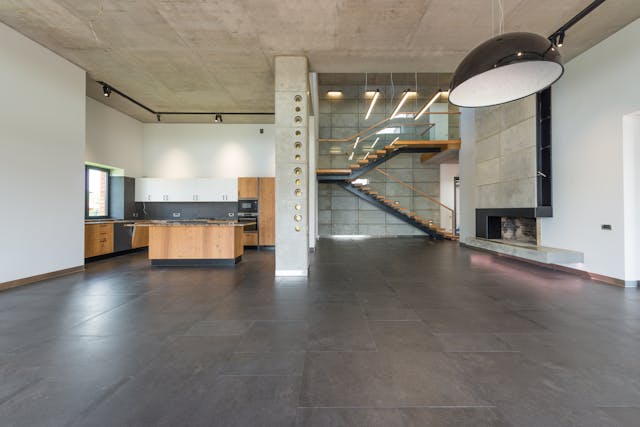
Minimalist interiors are all about simplicity, clean lines, and the use of materials that bring calm, understated elegance to a space. Among these materials, natural stone flooring stands out as a sophisticated choice. Its timeless beauty, durability, and subtle variations in texture make it a perfect complement to minimalist design. Incorporating natural stone into minimalist interiors, however, requires careful consideration of color, layout, and complementary elements to achieve a balanced, serene atmosphere.
1. Choose the Right Stone
The first step in using natural stone flooring in a minimalist interior is selecting the right type of stone. Common options include marble, limestone, travertine, slate, and granite. Each has unique properties and aesthetic appeal:
- Marble – Known for its luxurious veining and polished finish, marble brings elegance to a minimalist space. Opt for softer hues like white, cream, or light gray to maintain a calm and airy feel.
- Limestone – This stone has a subtle, matte texture that works well in spaces emphasizing natural materials. Its soft tones add warmth without overwhelming the simplicity of minimalist design.
- Travertine – With its natural pitted texture, travertine adds understated interest while keeping the palette neutral. It pairs beautifully with wood and metal accents in minimalist interiors.
- Slate – Darker and more dramatic, slate provides contrast in a minimalist interior. It works best when used as a grounding element, such as in large living areas or entryways.
- Granite – Highly durable and available in muted shades, granite is ideal for high-traffic areas while maintaining a clean, minimalist aesthetic.
When selecting a stone, prioritize tones and textures that complement the minimalist ethos: soft neutrals, subtle patterns, and matte or honed finishes that reflect light gently. Working with a reputable natural stone supplier can help ensure you choose high-quality materials that meet both aesthetic and practical needs.
Read more: A Fresh Home Starts with Cleaner Floors
2. Emphasize Simplicity Through Color
Minimalism thrives on a restrained color palette. With natural stone, color plays a critical role in reinforcing the calm, uncluttered look. Neutral shades like beige, gray, white, and taupe are ideal because they create a sense of openness and continuity. Avoid stones with bold or busy patterns, as these can disrupt the minimalist harmony.
To add subtle visual interest without overwhelming the space, consider stones with gentle veining or natural striations. For instance, a pale marble with delicate gray veins can act as a focal point while still maintaining a minimalist aesthetic.
3. Consider Large Format Tiles
Large stone tiles are particularly effective in minimalist interiors because they reduce the number of grout lines, creating a seamless and expansive appearance. Tiles measuring 24×24 inches or larger can make rooms feel more open and fluid. For elongated spaces, consider rectangular tiles to draw the eye and emphasize the room’s length.
When installing large-format stone tiles, ensure the layout is simple and symmetrical. Minimalist design favors straight lines and consistent spacing, avoiding complex patterns or herringbone layouts, which may distract from the serene environment.
4. Pair with Minimalist Furniture
The beauty of natural stone flooring is enhanced when paired with minimalist furniture. Think clean, geometric shapes and uncluttered arrangements. Low-profile sofas, simple wooden tables, and built-in storage units complement the natural textures of stone, allowing the flooring to shine.
Color coordination is key. Furniture in neutral shades or natural materials like light wood, metal, and glass creates harmony with stone floors. Avoid ornate detailing or excessive decorative elements that compete with the simplicity of the floor.
5. Play with Texture and Finish
While minimalism emphasizes simplicity, texture can add depth and interest without compromising the calm aesthetic. Natural stone comes in a variety of finishes:
- Polished – Offers a reflective, sleek surface that adds a sense of luxury. Ideal for living rooms or formal spaces.
- Honed – Provides a matte, smooth finish that is soft on the eyes and slip-resistant, perfect for kitchens and bathrooms.
- Tumbled – Features a slightly rough and rustic texture that adds warmth to minimalist interiors while maintaining a natural look.
By selecting the right finish, you can create subtle contrasts and tactile appeal, enhancing the sensory experience of the space without cluttering it visually.
6. Keep the Space Open and Airy
Minimalist design relies on openness. Natural stone flooring works best in rooms with plenty of natural light, as the stone reflects and diffuses light to create a brighter, more inviting environment. Avoid heavy rugs or floor coverings that obscure the stone’s natural beauty. If rugs are necessary, choose simple, low-pile options in neutral colors.
Large windows, uncluttered surfaces, and minimal accessories allow the stone to remain the focal point. In spaces like kitchens or bathrooms, consider continuing the stone onto countertops or wall panels for a cohesive, continuous look that reinforces minimalism.
7. Maintain Consistency Across Spaces
To achieve a truly minimalist interior, maintain consistency in flooring across connected spaces. Using the same type of natural stone in living areas, hallways, and kitchens creates a unified, flowing environment. This continuity enhances the minimalist principle of simplicity and reduces visual interruptions.
When transitioning between different rooms or materials, subtle thresholds such as narrow stone borders or matching grout lines can help maintain cohesion without breaking the minimalist flow.
8. Balance with Natural Elements
Minimalist interiors benefit from the warmth and grounding effect of natural materials. Pair natural stone flooring with wooden furniture, linen textiles, and indoor plants to introduce softness and life into the space. The cool, solid presence of stone is balanced by these organic elements, creating a harmonious environment that feels both sophisticated and inviting.
Conclusion
Incorporating natural stone flooring into minimalist interiors is a delicate balance of simplicity, texture, and elegance. By choosing the right stone, prioritizing neutral tones, using large tiles, pairing with clean-lined furniture, and embracing natural textures, you can achieve a serene and timeless space. Natural stone not only enhances the minimalist aesthetic but also brings durability, sophistication, and a sense of permanence to your home, proving that less can truly be more when executed thoughtfully.
