
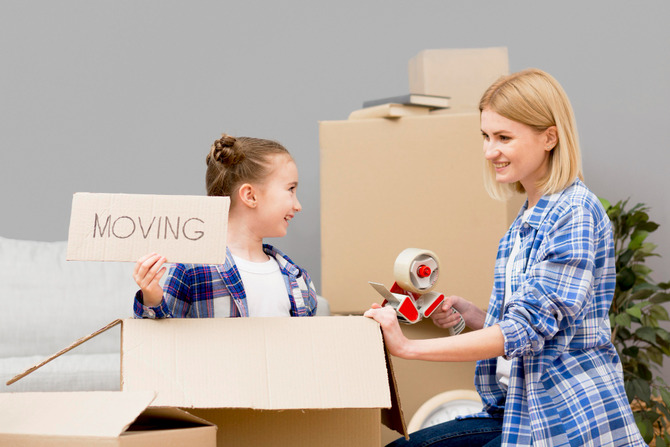
Moving with kids (especially younger ones) usually involves tears, tantrums or weeks of tension. Children worry about what a move will mean for their lives, including their friends, their school, and who they are. But there are ways to tell your kids about the move that will soften the blow.
This guide walks you through everything you need to know: when to share the news, how to support your kids through their feelings, what a healthy adjustment period looks like, and the small practical steps that make the transition easier for them. Whether you’re moving to another Sydney suburb or across Australia, here’s how to make a stressful time into a positive experience for the whole family.
Tell Them Early Enough to Feel Included, But Not So Early They Panic
A lot of people will suggest you tell your kids about the move immediately, but this assumes transparency is always the right call. Sometimes a seven-year-old doesn’t need to worry about moving his entire life if you’re still waiting on financing or that job offer that might fall through.
But waiting until your Sydney removalists show up on moving day is obviously worse. Kids notice things. They notice the real estate tabs open on your laptop, hear you on the phone talking about inspections, pick up on the tense conversations that stop when they walk in the room. When you finally tell them, they’re processing both the move and the fact that you’ve been hiding it.
The sweet spot is telling them once the move is actually confirmed. Before the extended family knows, before neighbors start asking questions. It should be early enough that they hear it from you first, but not early enough that it leaves them worrying about possibilities.
There are exceptions though. If your kids are old enough to have a genuine say in the process, like what neighbourhoods, houses or schools they like, involving them earlier can actually help. Being part of the decision, even in a small way, gives them a sense of ownership and excitement over the move.
Take Them to See The New Home Before You Pack
Kids need to see the actual place, not photos. If you can visit before you start dismantling their current life, do it. Let them walk through the empty house, pick their room, and explore the neighbourhood.
It’s about replacing the terrifying unknown with a boring reality. The new house stops being this abstract concept and becomes a place with a kitchen, a yard, and a street in front of it that are not so bad after all.
Let Them Pack Something Silly
Kids will want to bring things that make no practical sense. A broken toy they haven’t played with in two years. Every rock they ever found. Seventeen stuffed animals they’re supposedly too old for but can’t suddenly abandon.
Don’t fight this. Moving is losing control of everything. Adults are deciding where they live, which school they go to, whether their room faces the street or the back yard. Letting them pack something pointless that matters to them will help them a lot.
Don’t Expect Them to Adjust on Your Timeline
Some kids settle in after two weeks. Others are still mentioning their old house a year later. Parents get nervous when it takes longer than they expected. They start testing: “You like your new school better now, right?” or “You’ve made friends here, haven’t you?” Kids hear this as pressure to be over it already. Then they just stop telling you how they actually feel.
The First Month Is Survival Mode
It’s important to accept that the first month isn’t going to be easy. There might be more takeaway or screen time than usual, or bedtimes that aren’t being stuck to.
This is fine because moving is just temporary chaos. Trying to enforce normal rules while everything is still in boxes just creates more fights when everyone’s already worn out.
Set up their room first, even if it means you’re stepping over boxes in the hallway for a week. A kid with their own bed, their books, and a door that closes can handle a lot more disorder everywhere else.
Be The Example
Kids watch how their parents react to things. If you’re obviously stressed about the move but keep telling them how wonderful it will be, they learn that what you say doesn’t match reality.
You can be honest without catastrophising. “I miss having a pantry, but I’m figuring this kitchen out” tells them that it’s normal to struggle, but it doesn’t mean disaster.
—
Moving with kids in Sydney is one of those adventures that feels overwhelming at the start but often leads somewhere wonderful. The best way to deal with it is making space for honest feelings alongside being optimistic.
If you’re getting ready to move with children, you’re already ahead of the game just by thinking carefully about how to handle it well. Come back to this guide whenever you need a reminder that the tough moments are temporary.
