
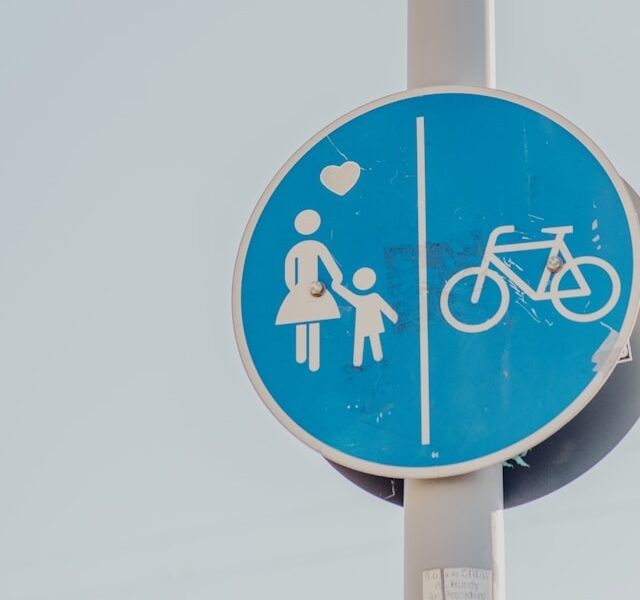
City streets are constantly evolving. New traffic lights appear, roads are redesigned, school zones are updated, and construction projects change familiar routes overnight. While these changes are often designed to improve safety and reduce congestion, they can have a very real impact on something families care about most: daily routine.
From school drop-offs to weekend outings, even small adjustments in traffic flow can ripple through your entire day. Understanding how and why these changes affect family life can make it easier to adapt—and even take advantage of improvements.
Morning Routines: The School Run Shift
For many families, the morning routine is tightly timed. Breakfast, getting dressed, packing bags, and getting out the door all depend on predictable travel routes. When city traffic patterns change, this carefully balanced routine can suddenly feel disrupted.
A new one-way street near your child’s school, for example, may add a few extra minutes to your journey. A redesigned intersection might slow down traffic but improve safety, creating longer wait times at lights. Even small delays can lead to rushed mornings or earlier wake-up times.
Parents often find themselves adjusting by:
- Leaving home earlier than before
- Changing drop-off locations
- Switching to alternative routes that are less familiar
While these changes can feel inconvenient at first, they are usually designed with safety in mind—especially around schools, where pedestrian traffic is high.
School Zones and Safety Improvements
One of the most common reasons for traffic changes is to improve safety around schools. Cities may introduce reduced speed limits, new pedestrian crossings, or restricted parking zones during school hours. These measures are often part of a broader traffic guidance scheme designed to organize vehicle flow and protect pedestrians, especially children traveling to and from school.
For families, this can mean adjusting how children get to school:
- Walking routes may change to include safer crossings
- Car drop-off zones might be moved further away from school gates
- Crossing guards or signals may be added where they didn’t exist before
Although these updates can require a period of adjustment, they are often beneficial in the long term. Slower traffic and clearer pedestrian pathways reduce accident risks and help children become more confident navigating streets safely.
After-School Activities and Timing Pressures
Traffic changes don’t just affect mornings—they also impact afternoons and evenings. After-school sports, tutoring sessions, and social activities often rely on precise timing.
A newly congested road or rerouted bus line can lead to:
- Late arrivals for extracurricular activities
- Shortened playtime or practice sessions
- More stress for parents juggling multiple pickups
In response, families often begin to plan more flexibly. This might include:
- Combining errands into a single trip
- Coordinating carpools with other parents
- Allowing extra buffer time between activities
Over time, these adjustments become part of a new, more adaptable routine.
Weekend Plans and Family Outings
City traffic changes also influence leisure time. A road closure or construction project might turn a 15-minute drive to a park into a 30-minute detour. Popular destinations may become harder to reach at peak times due to rerouted traffic patterns.
Families often adapt by:
- Exploring new parks or attractions closer to home
- Traveling earlier in the day to avoid congestion
- Using navigation apps to find less crowded routes
Interestingly, these changes can sometimes lead to positive outcomes. Families may discover new local spots they wouldn’t have visited otherwise, expanding their weekend options.
Emotional Impact on Parents and Children
Beyond logistics, traffic changes can also have an emotional effect. Parents often feel increased pressure when routines become less predictable, especially when trying to get children to school or activities on time.
Children may also notice changes:
- New walking routes can feel unfamiliar
- Longer car rides may lead to boredom or frustration
- Altered routines can take time to adjust to
However, children are also highly adaptable. With clear communication and reassurance, they usually adjust quickly. Explaining why changes are happening—such as “to make roads safer for everyone”—can help them feel more comfortable.
Technology as a Helping Tool
Modern technology plays a big role in helping families manage traffic changes. Navigation apps can suggest alternative routes, estimate travel times, and alert users to congestion or road closures.
Parents often rely on:
- Real-time traffic updates
- School communication apps for schedule changes
- Shared family calendars to coordinate pickups and activities
While technology doesn’t eliminate delays, it does reduce uncertainty, making it easier to plan ahead.
Building Flexibility Into Family Life
Perhaps the most important adjustment families make is learning to build flexibility into their routines. City traffic is rarely static, so expecting absolute predictability is often unrealistic.
Helpful strategies include:
- Planning “buffer time” into morning and afternoon schedules
- Having backup routes for common destinations
- Preparing children for occasional changes in pickup arrangements
Flexibility reduces stress and makes unexpected disruptions easier to manage.
Long-Term Benefits of Traffic Changes
Although traffic changes can feel frustrating in the short term, they often bring long-term benefits for families. Improved road safety, better pedestrian access, and reduced congestion near schools and residential areas all contribute to a healthier urban environment.
Over time, families may notice:
- Safer walking and cycling conditions for children
- Reduced accident risk near busy intersections
- More organized and predictable traffic flow during peak hours
These improvements are especially important in areas with growing populations or increasing school enrollment.
Adapting as a Family
The key to managing city traffic changes is not resisting them, but adapting to them as a family unit. When parents approach changes with patience and planning, children learn to do the same.
Small habits make a big difference:
- Talking about route changes in advance
- Practicing new walking paths together
- Turning travel time into conversation time
Instead of seeing traffic changes as disruptions, families can view them as part of living in a dynamic, growing city.
City traffic changes are more than just roadwork or new signs—they directly influence how families organize their daily lives. From school runs and after-school activities to weekend outings, these changes require small but meaningful adjustments.
While the transition period can be challenging, most traffic improvements are designed with safety and efficiency in mind. With planning, flexibility, and a positive mindset, families can not only adapt but sometimes even benefit from the new routines that emerge.
