
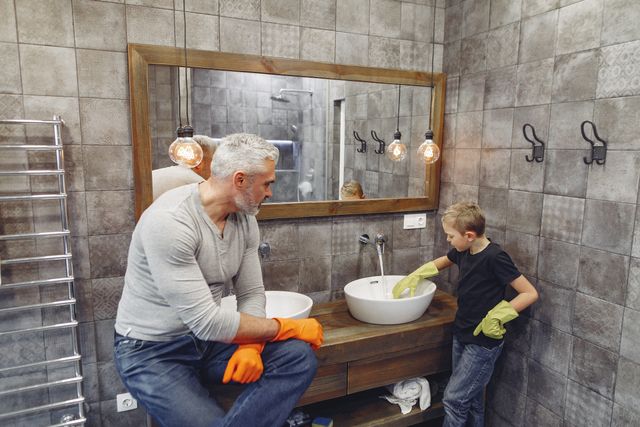
A family bathroom is a versatile and practical space designed to meet the needs of multiple users within a household, often spanning different ages and levels of independence. Unlike en-suite bathrooms or compact guest toilets, a family bathroom is typically the main shared bathroom in a home. It must balance functionality, safety, durability, and comfort, while also being easy to maintain and adaptable to changing family needs over time.
What Is a Family Bathroom?
A family bathroom is usually the central bathroom in a house or apartment that serves children, parents, and sometimes guests. It commonly includes a toilet, sink, and either a bathtub, a shower, or a combination of both. In many modern homes, the family bathroom is designed to handle heavy daily use, making it one of the most important functional spaces in the property.
Because it is shared, the family bathroom must be more resilient and thoughtfully organized than a private en-suite. It often becomes a busy hub in the morning and evening routines, especially in households with school-age children.
Key Features of a Family Bathroom
A well-designed family bathroom includes several essential features that ensure convenience and usability for everyone.
1. Bath and Shower Combination
Many family bathrooms include a combined bath and shower. This is especially useful for households with young children who need bathing, while also accommodating adults who prefer quick showers. A shower screen or curtain is typically used to prevent water splashing.
2. Durable Fixtures and Materials
Since a family bathroom experiences frequent use, materials need to withstand wear and tear. Ceramic tiles, porcelain sinks, and high-quality waterproof flooring such as vinyl or sealed stone are common choices. Fixtures should be sturdy and easy to clean.
3. Adequate Storage
Storage is essential in a family bathroom. Towels, toiletries, cleaning products, and children’s bath items can quickly create clutter if not properly organized. Built-in cabinets, under-sink storage, wall shelves, and mirrored cabinets help keep everything in order.
4. Child-Friendly Design Elements
For households with young children, safety and accessibility are key. Rounded corners on counters, non-slip flooring, and step stools are often included. Some families also install lower towel hooks or sinks at accessible heights.
5. Good Lighting and Ventilation
Proper lighting ensures safety and usability, especially in the mornings or evenings. A combination of overhead lighting and mirror lighting is often used. Ventilation, such as extractor fans or windows, helps prevent moisture buildup and mold growth.
Layout Considerations
The layout of a family bathroom plays a major role in its efficiency. Space is often limited, so every element must be carefully positioned. The toilet is usually placed in a discreet location, while the sink and mirror are positioned for easy access. The bath or shower is often placed along the longest wall to maximize space.
In larger bathrooms, designers may separate the bath and shower areas or add double sinks to reduce morning congestion. In smaller homes, clever space-saving solutions such as wall-mounted fixtures or sliding doors can make a significant difference.
Storage Solutions for Families
One of the biggest challenges in a family bathroom is keeping it organized. With multiple people using the same space, clutter can build up quickly. Effective storage solutions include:
- Vanity units that hide everyday items while keeping them accessible
- Wall-mounted shelves for frequently used products
- Baskets or bins for children’s bath toys and toiletries
- Over-the-door organizers for towels and accessories
- Medicine cabinets for small personal items
Labeling storage areas can also help children learn responsibility and maintain order in the bathroom.
Safety in a Family Bathroom
Safety is a top priority, especially in households with young children or elderly family members. Bathrooms can be slippery and potentially hazardous, so precautions are important.
Non-slip mats or flooring reduce the risk of falls. Water temperature regulators or thermostatic mixing valves help prevent scalding. Electrical outlets should be positioned away from water sources and protected with safety covers where necessary. Additionally, securing heavy furniture or cabinets to walls can prevent accidents.
Design and Aesthetic Choices
While functionality is the priority, many homeowners also want their family bathroom to be visually appealing. Modern family bathrooms often combine practicality with stylish design elements.
Neutral color schemes such as whites, greys, and soft blues are popular because they create a calm and clean atmosphere. However, some families choose brighter colors or playful designs, especially in bathrooms used primarily by children.
Textures and finishes also play a role. Glossy tiles can reflect light and make a small space feel larger, while matte finishes offer a more modern and subtle look.
A bathroom reno is often the perfect opportunity to rethink layout, upgrade materials, and introduce better storage solutions that improve both functionality and style.
Coordinated accessories such as matching towels, soap dispensers, and storage containers help create a cohesive design.
Adapting to Different Family Stages
One of the most important aspects of a family bathroom is its ability to adapt over time. A bathroom designed for toddlers will need to change as children grow into teenagers, and later as adults or elderly family members use the space.
For example, a bath may be essential for young children but later replaced or supplemented by a walk-in shower for convenience and accessibility. Adjustable storage solutions and neutral design choices can make it easier to update the space without a full renovation.
Maintenance and Hygiene
Because a family bathroom is used frequently, cleanliness is essential. Regular cleaning routines help prevent the buildup of bacteria, soap scum, and limescale. Choosing easy-to-clean materials such as glazed tiles and smooth surfaces can significantly reduce maintenance time.
Good ventilation also plays a crucial role in hygiene, as it prevents dampness and mold. Many families develop schedules for cleaning shared spaces to ensure that the bathroom remains fresh and usable for everyone.
A family bathroom is much more than just a functional space—it is a shared environment that supports daily routines, hygiene, and family life. Its design must balance durability, safety, comfort, and aesthetics while adapting to the evolving needs of the household. Whether large or small, a well-planned family bathroom can significantly improve the efficiency and comfort of a home.
By focusing on smart layout, practical storage, safety features, and adaptable design, families can create a bathroom that works smoothly for everyone, from young children to adults, for many years to come.
