
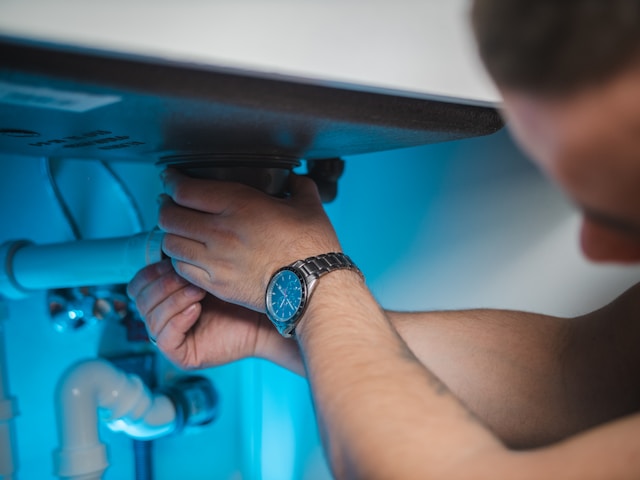
One company for HVAC, plumbing, and electrical work saves homeowners time, money, and stress compared to juggling three separate contractors. Learn more about Binsky Home Service, a provider that offers this exact model: 24/7 support for AC and heating repair, furnace and boiler maintenance, plumbing fixes, water heater service, and electrical work like wiring, outlets, and generator installs, all from one team. This article explains why bundling these services makes sense, what separate contractors cost you in hidden ways, and how to pick the right whole-home provider.
The Real Cost of Hiring Three Different Contractors
Most homeowners call a plumber for pipes, an electrician for wiring, and an HVAC technician for the furnace. Each visit brings its own service call fee. HVAC diagnostic calls run $75 to $250 in 2026, based on HomeGuide’s pricing data. Electricians charge a similar range, with service-call fees between $100 and $200 for the first hour. Plumbers add another $75 to $150 per hour on top, according to Housecall Pro’s 2026 plumbing rate guide. Three separate visits mean three separate fees, even for small jobs.
Those fees add up fast. A homeowner dealing with a failing water heater, a flickering circuit, and a noisy furnace could pay three separate diagnostic charges before any actual repair begins. A single provider often waives or reduces these fees for return customers, since one company already knows your home’s systems.
Scheduling Headaches with Multiple Contractors
Coordinating three different companies means three different calendars. Each contractor works on their own schedule, and finding overlapping availability takes effort. Homeowners often wait days between visits, especially during peak seasons like summer AC failures or winter furnace breakdowns.
A whole-home provider solves this problem directly. One call books the technician you need, and the same company handles the next issue without a new vendor search. This matters most during emergencies, when a burst pipe or dead furnace cannot wait for a callback.
Scheduling Comparison
| Factor | Separate Contractors | Whole-Home Provider |
| Number of calls needed | 3 or more | 1 |
| Service call fees | Charged per company | Often reduced for repeat service |
| Emergency response | Depends on each contractor’s availability | Single 24/7 line |
| System history tracking | Scattered across vendors | Centralized with one company |
| Trust and accountability | Split across providers | One company, one reputation |
Separate Contractors Miss Connections Between Systems
Your home’s systems do not operate in isolation. A furnace needs electrical power to run its blower motor. A water heater often connects to both plumbing and electrical or gas lines. A plumber who fixes a leak near your electrical panel may not flag a wiring hazard, since that falls outside their trade.
A single provider who handles all three trades catches these overlaps. A technician working on your HVAC system can spot an outdated electrical panel struggling to power a new unit. That kind of connection often goes unnoticed when three separate specialists visit your home on three separate days, each focused only on their own task.
Safety Benefits of a Whole-Home Approach
Electrical problems remain a serious risk in older homes. The Electrical Safety Foundation International reports an average of 31,647 home fires each year between 2011 and 2023 caused by electrical distribution or lighting equipment. Many of these fires start in homes with aging wiring that was never inspected during unrelated plumbing or HVAC work.
A whole-home provider trains technicians to notice cross-system risks. A plumber replacing a water heater near an old panel can flag it for the electrical team. This kind of built-in awareness rarely happens when contractors work independently and never communicate with each other.
Cost Savings Over Time
Bundled service often comes with maintenance plans that cover HVAC tune-ups, plumbing inspections, and electrical checks under one membership. These plans catch small issues before they turn into expensive repairs. A furnace that gets checked yearly rarely fails without warning. A water heater on a maintenance schedule lasts closer to its full 8 to 12 year lifespan instead of failing early.
Separate contractors rarely offer this kind of combined plan. Each one sells maintenance for their own trade only, which means homeowners either pay for three separate plans or skip maintenance altogether.
What to Look for in a Whole-Home Provider
Not every company that claims to offer HVAC, plumbing, and electrical service delivers equal quality across all three trades. Check for these signs before you hire:
- Licensed technicians in each trade. A true whole-home provider employs licensed HVAC techs, plumbers, and electricians, not generalists stretched across all three.
- 24/7 emergency availability. Systems fail at night and on weekends. A provider without round-the-clock service leaves you stranded.
- Upfront pricing. Clear pricing before work starts protects you from surprise charges.
- A long track record. Years of local service usually signal consistent quality and community trust.
- Combined maintenance plans. Bundled plans save money and keep all three systems on a regular schedule.
My Take on the Whole-Home Model
Hiring separate contractors made more sense years ago, when fewer companies offered multi-trade service. That has changed. A company built to handle HVAC, plumbing, and electrical work under one roof gives homeowners a real advantage: fewer phone calls, fewer strangers in your home, and technicians who understand how your systems connect. I still recommend checking credentials and reviews for any provider, whole-home or not, but the bundled model solves real problems that separate contractors cannot. For homeowners tired of juggling three vendors, this approach saves time and often money too.
Frequently Asked Questions
Does a whole-home provider cost more than separate contractors?
Not usually. Bundled service often costs less over time, since one company reduces repeat service call fees and offers combined maintenance plans.
Can one technician really handle HVAC, plumbing, and electrical work?
No, and a reputable whole-home provider does not expect that. The company employs separate licensed specialists for each trade, coordinated under one business.
How do I know if a whole-home provider is legitimate?
Check for licensing in all three trades, verified reviews, and a clear service history. Ask how long the company has served your area.
What happens during a true home emergency, like a power outage and a water leak at once?
A whole-home provider can dispatch the right specialists from one call, without you needing to coordinate two separate companies during a stressful situation.
Are maintenance plans worth it for a whole-home provider?
Yes, in most cases. A combined plan keeps your HVAC, plumbing, and electrical systems on a regular check schedule, which catches small problems before they become costly repairs.
Final Thoughts
Separate contractors made sense when trades operated in silos. Today, homeowners save time, reduce costs, and improve safety by choosing one provider for HVAC, plumbing, and electrical needs. A whole-home approach catches problems that fall between trades, responds faster during emergencies, and builds a service history that benefits your home for years. Choosing the right provider protects your comfort, your safety, and your budget all at once.
