
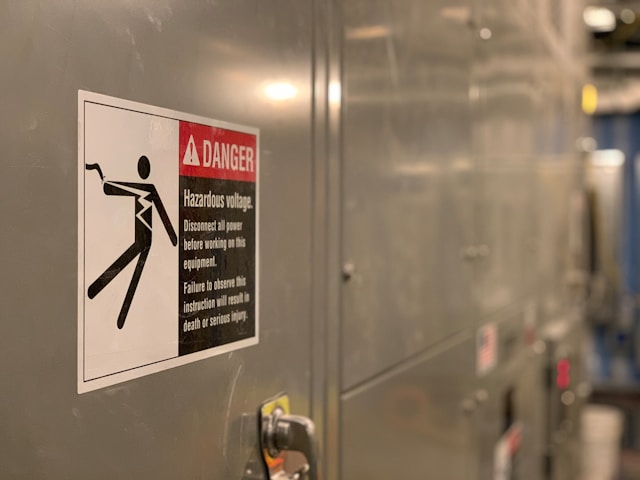
Electrical fires cause an estimated 24,200 residential fires, 295 deaths, and more than $1.2 billion in property damage every year in the United States, according to NFPA fire data compiled by G4 Electrical. That number is not small. Old wiring, overloaded outlets, and DIY repairs cause most of these incidents. Families can prevent nearly all of them with simple habits and regular checkups.
This article breaks down the biggest electrical hazards at home. It covers warning signs, prevention steps, and when to call a licensed professional. For families in New Jersey and Pennsylvania, Binsky Home Service offers 24/7 support for AC and heating installation, furnace and boiler maintenance, plumbing repairs, water heater services, gas line services, and electrical work like wiring, outlets, and generator installations. Their technicians help homeowners keep every system in the house safe, efficient, and comfortable across every season.
Why Electrical Safety Matters So Much
A home runs on electricity every hour of the day. Lights, appliances, heating, and charging devices all draw power constantly. This heavy daily use wears down wiring and outlets over time.
Electrical distribution and lighting equipment caused an average of 30,740 home fires each year between 2016 and 2020, based on NFPA data reported by Insurify. Those fires led to 390 deaths and over 1,000 injuries annually. Most started with a problem homeowners could have spotted early.
Common Electrical Hazards Inside the Home
Overloaded Outlets and Power Strips
Plugging too many devices into one outlet strains the circuit. Heat builds up behind the wall. Over time, this heat can spark a fire.
Space heaters cause a large share of fire deaths despite being involved in only a small share of total home fires, according to Insurify’s house fire report. Never plug a space heater into a power strip. Always connect it straight to a wall outlet.
Old or Damaged Wiring
Homes built before 1990 often have wiring that cannot handle modern power demands. Cracked insulation, exposed wires, and outdated fuse boxes raise the risk of a short circuit.
Signs of failing wiring include:
- Flickering or dimming lights
- A burning smell near outlets
- Warm or discolored switch plates
- Frequent breaker trips
Faulty Appliances and Cords
Frayed cords and damaged plugs account for a small share of fires but a large share of deaths. Extension cords used with major appliances overheat easily and start fires quickly, based on findings from the U.S. Fire Administration. Major appliances like refrigerators and washers need a direct wall connection, not a cord extension.
Water Near Electrical Sources
Bathrooms, kitchens, and outdoor outlets carry a shock risk near water. A ground fault circuit interrupter (GFCI) outlet cuts power instantly if it senses a leak in current. Every wet area of a home needs one.
Gas and Electrical Combined Risks
Furnaces, water heaters, and generators often run on both gas and electric power. A faulty gas line paired with an electrical spark creates a serious danger. Homeowners should never attempt gas line repairs themselves. Professional gas line services check for leaks, verify proper connections, and confirm that gas appliances meet current safety codes.
Electrical Hazard Comparison Table
| Hazard | Common Cause | Warning Sign | Fix |
| Overloaded outlets | Too many devices per circuit | Warm outlet, tripped breaker | Spread devices across circuits |
| Old wiring | Aging homes, outdated fuse boxes | Flickering lights | Rewire with a licensed electrician |
| Damaged cords | Frayed insulation, pet chewing | Exposed wire, sparking | Replace cord immediately |
| Wet area shock risk | No GFCI protection | No reset button on outlet | Install GFCI outlets |
| Gas and electric overlap | Faulty appliance connections | Gas smell, pilot light issues | Schedule gas line services |
Simple Steps Every Family Can Take
Inside the Home
Check outlets and cords once a month for damage. Replace any cord that feels hot to the touch. Keep space heaters three feet away from anything flammable.
Around the Kitchen and Bathroom
Install GFCI outlets in every room with water nearby. Test them monthly using the built-in test button. Unplug small appliances like toasters and hair dryers after use.
For the Whole House
Schedule a professional electrical inspection every three to five years. Homes over 25 years old benefit from more frequent checks. Ask your inspector about panel capacity if you have added new appliances recently.
When to Call a Professional
DIY electrical work causes many home fires each year. A homeowner without training can miss a loose connection or wrong wire gauge. Some situations always need a licensed electrician:
- A breaker trips more than once a week
- Lights dim when large appliances turn on
- Outlets feel warm or make a buzzing sound
- The home still has an older fuse box instead of breakers
- Any generator installation or gas appliance connection
Binsky Home Service handles each of these situations directly. Their team offers wiring upgrades, outlet replacement, generator installation, and gas line services under one roof. That combination matters because gas and electrical systems often share the same equipment, like furnaces and water heaters.
My Take on Home Electrical Safety
Most families wait until something breaks before they call an electrician. That habit costs more in the long run. A $150 inspection today can prevent a $30,000 fire claim later.
Homeowners tend to fear the bill more than the hazard. That fear works against them. Small warning signs, like a warm outlet or a flickering light, deserve attention right away, not a shrug.
I recommend a yearly walkthrough of every outlet, cord, and panel in the house. Write down anything unusual. Bring that list to a licensed technician instead of guessing at the fix.
Frequently Asked Questions
How often should a home get an electrical inspection? Every three to five years works for most homes. Older homes need checks every one to two years.
Can a homeowner install a GFCI outlet alone? Basic replacement is possible with the power off, but a licensed electrician catches wiring issues a homeowner might miss.
What is the biggest fire risk in most homes? Electrical distribution and lighting equipment cause the most property damage among all home fire categories, according to NFPA data cited by Insurify.
Do gas line services relate to electrical safety? Yes. Many home systems combine gas and electric power. A licensed technician checks both to prevent leaks and shocks at the same time.
Final Thought
Electrical safety comes down to attention, not luck. Small habits, like checking cords and testing GFCI outlets, protect a family far more than expensive equipment ever could. Pair those habits with a trusted service provider, and a home stays safe through every season.
