
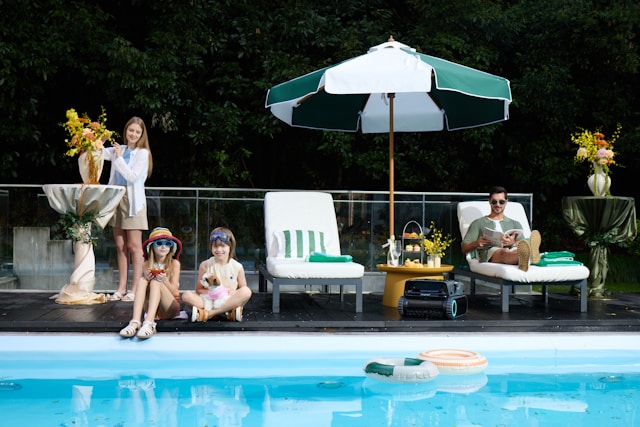
A family home in summer feels like a different place altogether. The structure remains the same, but its atmosphere shifts in subtle and meaningful ways. Rooms feel brighter, routines loosen, and time seems to stretch out more generously. What was once a space organized around obligation becomes a space shaped by presence, comfort, and shared experience. Summer does not change the walls of a home, but it changes how people move within them.
Morning Light and Slower Starts
Mornings in a summer home often begin with light rather than alarm clocks. Sunlight filters through curtains earlier, gently encouraging wakefulness. Windows are opened almost immediately, letting in warm air and the distant sounds of the day beginning outside. Breakfast tends to be unhurried, with conversations that are not rushed by schedules. There is a sense that the day has already offered something valuable simply by arriving slowly.
Rooms with Flexible Purpose
During summer, rooms in a family home often lose their strict definitions. Bedrooms become places for reading during the afternoon, not just sleeping. Living rooms transform into spaces for rest, play, or even spontaneous gatherings. Hallways fill with movement, and floors become just as important as furniture. This flexibility creates a sense of ease, as the home adapts continuously to the needs and moods of those inside it.
The Kitchen as the Social Heart
The kitchen often becomes the emotional center of a summer home. It is where people gather not only to eat but to talk, plan, and linger. Light snacks replace rigid meal schedules, and the sound of glasses, plates, and casual conversation becomes a constant backdrop. Even simple activities like preparing fruit or making cold drinks turn into shared moments. The kitchen in summer is less about function and more about connection.
Outdoor Living and Expanded Space
Outdoor areas take on a new importance in summer. A garden, balcony, or small yard becomes an extension of the living space. Chairs are carried outside, books are read in natural light, and conversations drift into the open air. Even the smallest outdoor corner can feel like a retreat. The boundary between inside and outside becomes less defined, as the home expands into the warmth and openness of the season.
Food, Snacks, and Summer Simplicity
Meals in summer are often lighter, simpler, and more flexible. Fruit is kept within easy reach, cold drinks are constantly refreshed, and cooking becomes less formal. Families may eat in shifts or gather multiple times throughout the day rather than sitting down to one structured meal. This relaxed approach to food reflects the broader rhythm of summer life—less rigid, more spontaneous, and shaped by immediate needs and shared cravings.
Children and the Energy of Summer
Children play a central role in shaping the atmosphere of a family home in summer. Their energy moves freely through every space, both indoors and outdoors. Toys migrate from room to room, and imagination fills gaps between structured activities. Their presence brings constant motion and sound, turning the home into a place of activity and discovery. Through their perspective, summer feels endless, immediate, and full of possibility.
Comfort and Climate Control
Summer heat often shapes how a home functions, influencing where people gather and how they spend their time. Fans hum in the background, curtains are adjusted throughout the day, and cool surfaces become favored resting places. In some households, technology becomes essential for comfort, and conversations sometimes revolve around finding relief from the heat. In cities like Sydney, discussions about air conditioning Sydney often become part of daily life during particularly warm periods, highlighting how climate and comfort are closely connected to how a home is experienced in summer.
Evenings of Soft Conversation
As the day cools, the home settles into a gentler rhythm. Windows remain open, allowing evening air and distant sounds to drift inside. Families gather without strict plans, often sitting together in shared quiet or slow conversation. There is no urgency to complete tasks, only a sense of winding down. Evenings in summer homes are often defined by their softness—light fading gradually, voices lowering, and time feeling less structured.
The Emotional Climate of the Home
Beyond temperature and routine, summer also shapes the emotional tone of a family home. People tend to be more patient, more open, and more willing to let small tensions pass without escalation. While not every moment is calm, the overall environment encourages ease and connection. The season creates space for understanding and shared presence, allowing relationships within the home to feel lighter and more fluid.
The Lasting Memory of Summer Homes
When summer ends, what remains is not only memory of events but of atmosphere. It is the feeling of open windows, long evenings, and shared space without urgency. A family home in summer is remembered as a place where life felt less divided and more continuous. These impressions linger, shaping how people think about comfort, togetherness, and the simple experience of being at home.
