
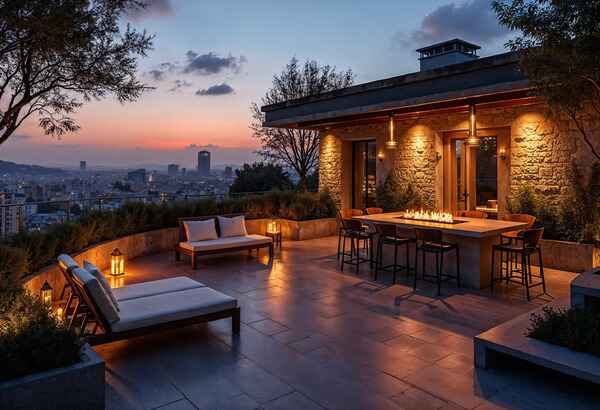
Outdoor lighting can dramatically enhance a home’s curb appeal, creating a warm and inviting atmosphere. One key factor that influences how outdoor lighting should be arranged is the style of the roofline. Rooflines come in various forms, including gables, dormers, hip roofs, and flat roofs. Each style has unique characteristics that can affect the way lighting is installed and how it complements the home’s architecture. This article explores how different rooflines influence exterior decorating choices, how symmetry improves curb appeal, and the importance of professional installation to ensure safe and even lighting.
Read more:
- How to Safely Install Exterior Accent Lighting on a Two-Story Home
- Spark Joy: Bright Ideas for Home Lighting
- The Safest Ways to Illuminate Tall Entryways and Two-Story Foyers
The Impact of Roofline Styles on Outdoor Lighting
Understanding your roofline is essential when planning exterior lighting. The roofline is the top edge of a roof and defines the shape of the structure. Whether the roofline is angular or flat plays a significant role in determining where and how lights should be placed.
Gable Rooflines
A gable roof is one of the most common roof types, featuring two sloped sides that meet at a peak, forming a triangular shape. Homes with gable roofs offer an excellent opportunity to highlight the architectural features with outdoor lighting. The peak of the gable provides a natural focal point for lighting, especially during the holiday season. Placing lights along the peaks can create a striking effect, drawing attention to the roofline’s height and shape.
For example, a home with gables can look stunning with string lights wrapped around the ridgeline, creating a clear, defined silhouette against the night sky. Homeowners can further enhance this look by adding lights to the eaves or windows to bring attention to other aspects of the house.
Dormer Rooflines
A dormer is a structural element that projects from a sloping roof, typically featuring a small window. Dormers add charm and character to a home and can influence how lighting is installed. These rooflines can be tricky to decorate with lights due to their smaller, often awkward angles. However, placing lights around dormer windows can accentuate their architectural detail.
For example, small LED spotlights or string lights along the edges of dormers can highlight the structure without overwhelming the rest of the home. Dormer roofs are great for adding a cozy, intimate lighting design, perfect for homes with more traditional or cottage-style architecture.
Hip Rooflines
A hip roof is a type of roof that slopes on all four sides, meeting at a ridge or a central peak. These roofs are popular for their balanced, symmetrical appearance, which makes them ideal for evenly spaced lighting. The symmetry of a hip roofline offers the opportunity to install lights along the edges or the peaks, creating a consistent visual effect.
For a hip roof home, you can opt for lighting that follows the lines of the roof, illuminating the eaves and creating a soft glow around the structure. The evenness of the roof’s design ensures that lights installed along the edges or peak will be evenly distributed, adding a sense of harmony and order to the home’s exterior.
Flat Rooflines
Homes with flat roofs have a unique, modern aesthetic, but they present some challenges for outdoor lighting. Since there are no peaks or dramatic angles to highlight, the lighting should focus on highlighting the straight lines of the structure. In this case, perimeter lighting works well, particularly along the edges of the roof or on the facades of the house.
You can use recessed lighting or mounted fixtures to add subtle yet impactful illumination to a flat roof. This style of lighting can make the home appear sleek and contemporary while enhancing its architectural lines. For added drama, you can use uplights to cast light upwards from the ground, emphasizing the height and structure of the house.
The Role of Symmetry in Lighting
Symmetry plays a significant role in the overall appeal of a home’s exterior. A symmetrical roofline, like that of a hip roof, enhances the appearance of the home when paired with evenly spaced lighting. For example, lights installed along both sides of a gable or dormer roof can create a balanced and cohesive look. Symmetry is particularly important when aiming to improve curb appeal, as it helps the house appear more polished and orderly.
When lighting is not symmetrical, it can create an unbalanced look that detracts from the beauty of the home’s architecture. Therefore, carefully considering symmetry when installing outdoor lighting is key to achieving a visually pleasing effect.
Architectural Considerations Homeowners Often Overlook
While the roofline is the most obvious consideration when decorating with outdoor lighting, there are several other architectural elements that homeowners often overlook. These include the size and style of windows, the materials used in the facade, and even the landscaping.
For example, the materials used on the facade of the home, such as brick, stone, or wood, can affect how light interacts with the surface. Lighter materials will reflect more light, while darker materials absorb it. This difference can influence how much lighting is needed to achieve the desired effect. Similarly, large windows can be illuminated to create a dramatic effect, while smaller windows may benefit from softer lighting.
Another overlooked consideration is the placement of landscaping elements such as trees, bushes, or garden features. Strategic lighting around these areas can add depth and texture to the home’s exterior. Pathway lights, for example, can be used to draw attention to the entryway, while uplights can illuminate trees and shrubs for added visual interest.
Why Professional Christmas Light Installation Matters
Installing holiday lights along the roofline is a popular tradition, but it can also be a tricky task. Professionals are skilled in ensuring that lights are hung securely along the roofline without causing damage to shingles, gutters, or the structure of the home.
Professional installation services can ensure that the lights follow the roofline evenly and safely. Experts know how to work with different roof types and angles, ensuring that the lights are securely fastened and that no damage occurs. Professional installers also have access to high-quality lighting equipment, ensuring the lights are bright and long-lasting.
Hiring professional holiday light installers also saves homeowners time and stress. Instead of dealing with tangled lights and climbing ladders, homeowners can enjoy a beautifully decorated home without worry. To learn more about safe and professional Christmas light installation, consider reaching out to Holiday light installers in Lancaster, PA.
Conclusion
The roofline of a home plays a critical role in determining how outdoor lighting should be arranged. Different roof styles, such as gables, dormers, hip roofs, and flat roofs, require different lighting techniques to highlight their architectural features and enhance curb appeal. By focusing on symmetry and understanding the roof’s design, homeowners can create a balanced and aesthetically pleasing lighting display. When planning your outdoor lighting, it’s essential to consider the roofline style and the home’s unique features, ensuring that every element works together to create a cohesive look. Professional holiday light installers can help achieve the perfect lighting display while ensuring the safety and longevity of the installation.
