
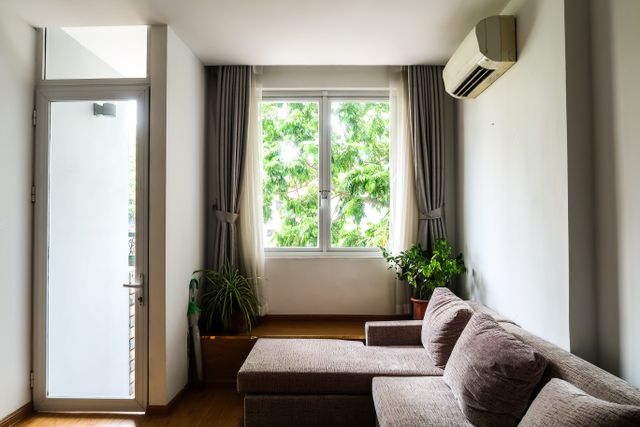
Every year, the first proper heatwave produces the same scene across Australian suburbs. Air conditioners that have sat idle since March are switched on all at once, dusty filters struggle, and somewhere a safety switch trips just as the temperature peaks. Cooling has gone from a luxury to an essential, particularly for young families and older residents, so it pays to prepare well before the hottest days arrive.
Preparation is partly about the cooling units themselves and partly about the electrical system that powers them.
Start With a Simple Spring Check
Before summer, clean or replace filters on split systems and ducted units. Clogged filters reduce airflow, forcing the system to work harder and draw more power. Check outdoor units for leaves, cobwebs and anything that might block ventilation. Plants and fences should sit far enough away to allow air to circulate freely around the condenser.
Run each unit for a short period on a mild day. Listen for unusual noises, watch for water leaks inside and note whether the air actually feels cold. Finding a problem in October is far better than finding it on the first forty-degree day, when every technician in town is booked solid.
Why Air Conditioners Demand So Much Power
Air conditioning is often the largest single electrical load in a home during summer. A large reverse-cycle unit, or several split systems running together, can draw significant current, especially at start-up. Older homes with limited supply or tired switchboards may struggle to handle this alongside cooking, laundry and pool pumps.
That is why most installations require a dedicated circuit rather than sharing a supply with other appliances. A dedicated circuit protects the unit, reduces the chance of nuisance trips and keeps wiring within safe temperature limits.
Planning a New Installation
If you are adding air conditioning for the first time, or replacing an old window rattler with a modern inverter system, sizing matters. A unit that is too small will run constantly without cooling properly. One that is too large will cycle on and off, wasting energy and failing to remove humidity. Room size, insulation, window orientation and ceiling height all influence the right capacity.
Location also deserves thought. Indoor heads should be positioned to spread air evenly without blasting directly onto beds or couches. Outdoor units need a stable base, good airflow and a spot that will not disturb neighbours with noise.
Ducted systems bring their own considerations. Zoning lets you cool only the rooms in use, which is far cheaper than chilling an empty guest bedroom all afternoon. Return air grilles, ceiling space access and the condition of existing ductwork all affect how well a ducted system performs, so it is worth having them assessed before committing to a particular model.
The Electrical Side of the Job
Refrigeration mechanics handle the gas and pipework, but the electrical connection must be completed by a licensed professional. Engaging an air conditioning electrician ensures the circuit is correctly sized, protected by appropriate safety devices and connected in a way that meets Australian Standards, which matters both for safety and for keeping manufacturer warranties valid.
This is also the right moment to review your switchboard. If it is crowded, lacks safety switches or still uses old ceramic fuses, an upgrade can be done at the same time, often more cheaply than as a separate job later.
Running Your System Efficiently
Once everything is installed, a few habits make a large difference to comfort and running costs. Set the thermostat to around twenty-four to twenty-six degrees for cooling. Each degree lower adds noticeably to energy use. Close blinds and curtains on sun-facing windows during the day, and use ceiling fans to help circulate cool air so the unit does not have to work as hard.
On extreme days, pre-cooling the house in the morning, before the outside temperature peaks, can reduce strain on the system later. Many modern units have timers or app controls that make this easy, even if you are at work.
Solar and Smart Controls
Homes with rooftop solar are well placed to run air conditioning during sunny afternoons, using power generated on site. Smart controllers can switch units on when solar output is high, or limit consumption during peak tariff windows. For households on time-of-use plans, this kind of automation can produce meaningful savings over a long summer.
Keeping Everyone Safe in the Heat
Air conditioning is a health measure as much as a comfort one. Babies, older people and anyone with heart or respiratory conditions are especially vulnerable in extended heatwaves. If the power does fail, have a backup plan: know which rooms stay coolest, keep water on hand and identify a nearby air-conditioned public space such as a library or shopping centre.
A well-maintained system on a properly designed circuit is the best insurance against being caught out. A few hours of preparation in spring sets the house up for a cooler, calmer summer, and means that when the heat finally arrives, the only thing you need to do is press the button.
