
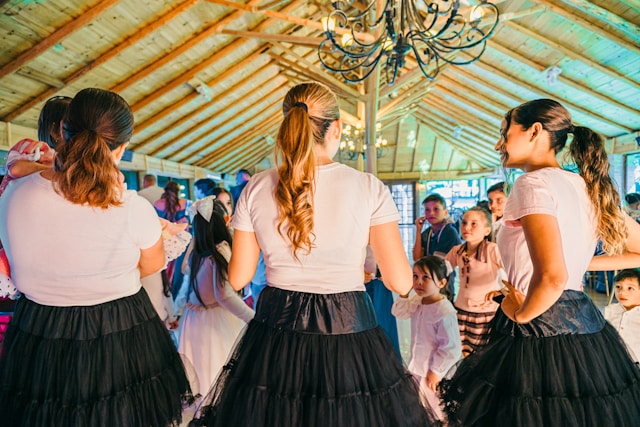
Planning a kid-friendly party or event can be both exciting and a little overwhelming. Children bring energy, curiosity, and unpredictability, so the key to success is creating a balance between structure and fun. With thoughtful preparation, even a simple gathering can become a memorable experience. You don’t need a large budget or professional skills—just a clear plan, creativity, and attention to detail.
Start with a purpose and theme
Every great children’s event begins with a clear purpose. It could be a birthday celebration, a school milestone, a seasonal holiday, or a casual playdate-style gathering. Once the purpose is defined, choosing a theme becomes much easier and helps shape the rest of the planning.
Themes give children something exciting to connect with and make the event feel special. Popular options include superheroes, dinosaurs, space adventures, princess castles, jungle safaris, or simple color-based themes like “rainbow day” or “under the sea.” The theme doesn’t need to be elaborate—even small touches like matching balloons or themed plates can create a strong visual identity.
Read more: The Lifelong Benefits Kids Gain From Playing Basketball
Carefully plan the guest list
The number of children you invite plays a major role in how manageable the event will be. A helpful guideline is to match the number of guests to the age of the child hosting. For example, a 7-year-old might do best with 7–9 guests. This keeps the environment lively but still controlled.
It’s also important to consider personalities. Some children are outgoing and energetic, while others are quieter or more sensitive. A balanced mix can work well, but overcrowding with too many high-energy kids in a small space can lead to chaos. Don’t forget to ensure adequate adult supervision, especially for younger age groups.
Choose a safe and suitable venue
The location of your event should be appropriate for the age group and activities planned. Indoor spaces like living rooms, classrooms, or community halls work well for structured activities and younger children. Outdoor areas such as backyards or parks are ideal for running games and physical play.
Safety should always come first. Remove fragile items, secure sharp corners, and make sure the space is free of hazards such as loose cables or slippery surfaces. If you’re outdoors, check weather conditions, provide shade, and set clear boundaries so children remain within safe limits.
Create a flexible schedule
Children feel more comfortable when there is a general structure to the event. A flexible schedule helps maintain order without making the day feel too rigid.
A typical flow might include:
- Welcoming guests and free play
- Icebreaker activities
- Organized games or main entertainment
- Snack or meal break
- Special highlight moment (like cake cutting or a featured activity)
- Calm winding-down activity
- Farewell and pickup
Alternating between active and calm periods helps manage energy levels and prevents overstimulation.
Plan fun and engaging activities
Activities are the heart of any kid-friendly event. The best ones are simple, interactive, and easy to understand. Avoid anything that requires long explanations or waiting too long for turns.
Classic options include treasure hunts, musical chairs, balloon popping games, obstacle courses, crafts stations, and group storytelling. Variety is important so children don’t lose interest quickly.
A professional kids magician can also be hired as a featured entertainer to add excitement and wonder to the event, especially for birthdays or larger gatherings. This kind of performance keeps children engaged and provides a shared moment of amazement that becomes a highlight of the day.
It’s always wise to prepare backup activities in case something doesn’t go as planned. Kids can be unpredictable, and flexibility ensures the event continues smoothly even if adjustments are needed.
Keep food simple and child-friendly
Food should be easy to serve, easy to eat, and not too messy. Finger foods work best, such as mini sandwiches, fruit slices, popcorn, crackers, small wraps, and bite-sized snacks. These options reduce cleanup time and allow children to continue playing without interruption.
Always consider dietary restrictions and allergies. Common allergens include nuts, dairy, eggs, and gluten, so it’s important to check with parents beforehand. Offering a variety of options ensures that all children can safely enjoy the food.
Hydration is equally important. Provide water and juice throughout the event, especially if there are active games involved.
Keep decorations fun but practical
Decorations help set the mood and make the event feel special, but they don’t need to be expensive or complicated. Balloons, banners, tablecloths, and themed paper goods are usually enough to create a festive atmosphere.
If possible, involve children in simple decorating tasks at the start of the event. This not only saves preparation time but also helps them feel included and excited.
Make sure decorations are safe—avoid small detachable items for younger children and secure anything that could fall or cause obstruction.
Manage your budget wisely
A great kid-friendly party doesn’t require a large budget. Focus spending on the essentials: food, activities, and basic decorations. Many fun games can be created using household items, and DIY decorations can be both creative and cost-effective.
Making a simple checklist helps control spending and ensures nothing is forgotten:
- Invitations sent
- Food and drinks prepared
- Games and activity supplies ready
- Safety and first aid items available
- Helpers or supervisors confirmed
Stay organized on the day
On the day of the event, set up everything at least an hour in advance. This gives you time to adjust and handle unexpected issues calmly. Keep your schedule visible but flexible, as children may move between activities faster or slower than expected.
If possible, assign roles to other adults—one person can manage games, another can handle food, and someone else can supervise general safety. Teamwork makes the event much easier to manage.
After the event
When the party ends, plan for a quick and organized cleanup. Older children can sometimes help with simple tasks like collecting decorations or putting away toys. Always ensure that each child leaves safely with their parent or guardian.
Final thoughts
Organizing a kid-friendly party or event is about creating a joyful balance between fun, safety, and structure. With thoughtful planning and a flexible attitude, you can create an experience that children will remember fondly. The goal isn’t perfection—it’s happiness, engagement, and shared enjoyment. When those elements come together, even a simple gathering becomes something truly special.
