
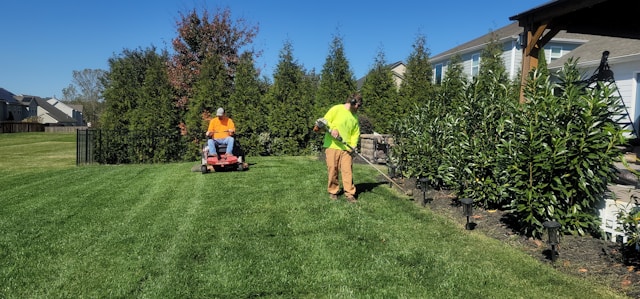
Spring rain helps lawns grow, but too much rain causes damage fast. Many homeowners notice muddy yards, standing water, dead grass, and washed-out mulch after rainy weeks in May. The National Weather Service reports that heavy rainfall events have increased across many U.S. regions over recent decades. National Weather Service Poor drainage and weak grading often make the problem worse.
This guide explains the most common landscaping issues after heavy rain. You will learn why they happen and how to fix them. You will also see how grading, drainage, and watering systems support healthy lawns after storms.
Why Heavy Spring Rain Damages Lawns
Spring soil already holds winter moisture. Extra rain pushes the ground past its limit.
Water then moves across the surface instead of soaking underground. That flow strips soil, drowns roots, and weakens grass growth.
Many yards lack proper drainage planning. Some homes sit on slopes. Others have compacted clay soil. These problems trap water near the surface.
Rain damage often appears within days. Some issues take weeks before homeowners notice them.
Read more: Designing Your Dream Garden: The Role of Professional Landscaping Services
Common Landscaping Problems After Heavy Rain
Soil Erosion
Erosion ranks among the most common yard problems after long rainy periods.
Fast-moving water removes topsoil from flower beds and lawns. Bare patches often appear on hills or near gutters.
Topsoil contains nutrients that plants need. Losing that layer weakens grass and garden beds.
Signs of erosion include:
- Exposed roots
- Small trenches in soil
- Muddy runoff
- Thin grass patches
- Uneven ground
Steep slopes increase erosion risk. Poor gutter drainage creates similar damage.
Pooling Water
Standing water signals a drainage issue.
Water may collect near patios, sidewalks, or low lawn areas. Some puddles stay for days after rain stops.
Long-term pooling harms lawns and attracts insects.
Common causes include:
| Problem | Effect on Yard |
|---|---|
| Poor grading | Water flows toward the home |
| Compacted soil | Water cannot soak underground |
| Clogged drains | Runoff stays trapped |
| Heavy clay soil | Slow water absorption |
| Short downspouts | Water collects near foundations |
Large puddles may damage foundations over time.
Patchy Grass and Bare Spots
Grass struggles after weeks of heavy rain.
Roots need oxygen. Saturated soil blocks airflow underground. Grass then turns yellow or brown.
Thin lawns often appear in shaded areas first. Foot traffic worsens the problem.
Some homeowners add more fertilizer after rain damage. That step often fails if drainage problems remain.
Healthy lawns need balanced watering, airflow, and soil drainage.
Mulch Washout
Rainwater easily moves loose mulch downhill.
Heavy runoff leaves flower beds uneven and messy. Mulch may pile near sidewalks or storm drains.
Washed-out mulch exposes plant roots to heat and weeds. Beds then dry faster during warmer days.
Common mulch washout causes include:
- Steep garden slopes
- Thin edging
- Poor drainage
- Heavy rain runoff
- Lightweight mulch materials
Hardwood mulch usually stays in place better than fine shredded mulch.
Plant Stress and Root Damage
Plants suffer quietly after extended wet weather.
Leaves may wilt even with excess water underground. Roots often rot in soaked soil.
Fungal diseases spread faster during wet spring weeks. Shrubs and flowers may show black spots, yellow leaves, or weak growth.
Young plants face the highest risk.
Poor drainage keeps roots wet too long. Healthy roots need both water and oxygen.
How Grading Helps Prevent Yard Problems
Grading controls how water moves across a property.
A properly graded yard directs water away from homes and garden beds. Slopes should guide runoff toward safe drainage areas.
Many older homes have uneven settling over time. Low spots then trap water after storms.
Professional grading helps prevent:
- Standing water
- Foundation damage
- Soil erosion
- Grass loss
- Mud buildup
Small grading changes often create major drainage improvements.
Signs Your Yard Needs Regrading
Several warning signs point to grading issues.
Watch for these problems:
- Water near the home foundation
- Muddy lawn sections
- Repeated mulch washout
- Soggy grass after light rain
- Soil shifting downhill
Persistent drainage issues rarely disappear without correction.
Drainage Systems That Support Healthy Lawns
Drainage systems move excess water safely away from the yard.
Different yards need different solutions.
French Drains
- French drains collect underground water using gravel and perforated pipes.
- These systems work well in low lawn areas.
Catch Basins
- Catch basins collect surface runoff during storms.
- They help reduce flooding near patios and driveways.
Downspout Extensions
- Short downspouts dump roof water near foundations.
- Extensions move runoff farther from the home.
Dry Creek Beds
- Dry creek beds guide stormwater through decorative stone channels.
- These systems improve drainage and add visual appeal.
Proper Watering Still Matters After Heavy Rain
Many homeowners stop watering completely after rainy weeks.
Lawns still need balanced watering once soil dries.
Roots weaken after oversaturation. Deep watering helps recovery later in spring.
Smart irrigation systems support healthier lawns during recovery periods. Timed watering reduces stress and prevents overwatering.
Modern sprinkler systems also improve water control for new lawns. Homeowners building new properties often add irrigation early during yard planning. Ellicot City sprinkler installation for new construction homes helps support healthy grass growth and more balanced watering coverage.
Best Ways to Protect Your Yard After Heavy Rain
Quick action limits long-term damage.
Inspect Drainage Areas
- Check gutters, drains, and downspouts after storms.
- Clear leaves and debris fast.
Add Fresh Mulch Carefully
- Replace missing mulch in thin layers.
- Heavy mulch piles trap excess water.
Aerate Compacted Soil
- Aeration improves airflow underground.
- Grass roots recover faster after soil loosens.
Reseed Bare Lawn Areas
- Patchy grass spreads weeds quickly.
- Fresh seed helps restore lawn thickness.
Avoid Heavy Foot Traffic
- Wet soil compacts easily.
- Limit walking across soaked grass after storms.
Long-Term Lawn Recovery Tips
Healthy lawns recover slowly after heavy rain.
Strong root systems matter most.
Focus on drainage first. Grass treatments alone rarely solve the issue.
A long-term recovery plan may include:
- Soil testing
- Drainage upgrades
- Regrading
- Aeration
- Lawn reseeding
- Smarter irrigation systems
Professional landscape planning often saves money over time.
Conclusion
Heavy spring rain exposes hidden landscaping problems fast. Erosion, standing water, patchy grass, mulch washout, and plant stress often appear after long wet periods. Poor grading and weak drainage usually cause the biggest issues.
Healthy lawns need more than rainfall alone. Proper grading, drainage systems, and balanced irrigation work together to protect yards through changing seasons. Early repairs help prevent larger damage later in the year.
